Article
Mar 8, 2026
How NRIs Can Invest in Indian Startups
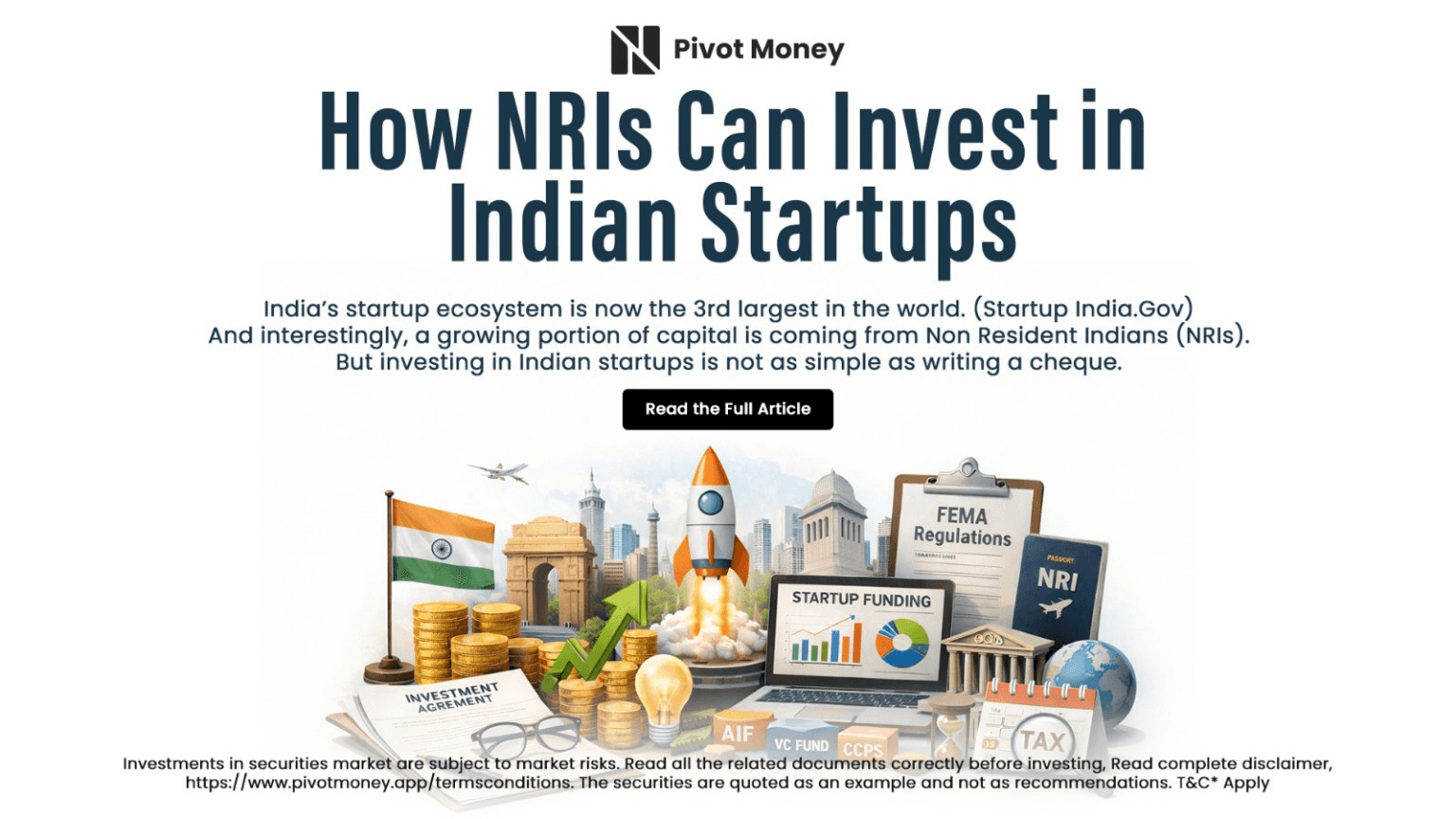
India’s startup ecosystem is now the 3rd largest in the world. (Startup India.Gov)
And interestingly, a growing portion of capital is coming from Non Resident Indians (NRIs).
But investing in Indian startups is not as simple as writing a cheque.
There are clear legal routes, regulations, and tax rules that NRIs must follow.
Here’s a simple breakdown.
1. Foreign Direct Investment (FDI) Route
Most NRI investments in startups happen through the FDI automatic route.
This means NRIs can invest directly into equity of Indian companies without prior government approval in most sectors.
Funds typically come through NRE or NRO accounts, and the investment must comply with FEMA and RBI rules.
2. Direct Equity Investment
NRIs can subscribe to equity shares issued by startups.
However, shares must be issued at Fair Market Value (FMV) based on valuation guidelines.
This ensures transparency and prevents capital misuse.
3. Convertible Instruments
Early stage startups often raise money through instruments like:
• CCPS (Compulsorily Convertible Preference Shares)
• CCD (Compulsorily Convertible Debentures)
These convert into equity at a later stage and are commonly used in venture funding.
4. Convertible Notes for Startups
NRIs can also invest through convertible notes, but there are conditions:
• Startup must be DPIIT recognized
• Minimum investment of ₹25 lakh in a single tranche
• Conversion must happen within 10 years (extended from the earlier 5-year limit).
This structure is widely used in seed stage funding rounds.
5. Regulatory Rules NRIs Must Follow
All foreign investments are governed by FEMA and RBI guidelines.
Key compliance requirements include:
• Sectoral caps on foreign investment
• Pricing guidelines for equity
• Mandatory reporting through the RBI FIRMS portal
• Proper banking channels for fund transfer
Non compliance can lead to significant penalties.
6. Taxation for NRIs
NRIs investing in startups must consider capital gains tax and DTAA benefits.
• Short term capital gains: Unlisted shares are taxed at the investor's applicable income slab rate
• Long term capital gains: typically 12.5% without indexation (post July 2024 rules for many assets)
• Dividend income: taxable in India
However, Double Taxation Avoidance Agreements (DTAA) can reduce tax burdens for investors in many countries.
The Bottom Line
India’s startup ecosystem offers massive long term growth potential.
But for NRIs, success is not just about picking the right startup.
It is about structuring the investment correctly through the right route, following FEMA rules, and understanding tax implications.
Because when done right, NRIs are not just investing in startups.
They are investing in India’s innovation economy.